

SBRI Healthcare Project
Scaling virtual wards across Maidstone & Tunbridge Wells.
Luscii, Maidstone & Tunbridge Wells NHS Trust, Unity Insights, and Health Innovation Kent Surrey Sussex have come together to design and test a better way to run virtual wards.
Designing virtual wards with patients at the centre
Built with patients and clinicians from the start, the project is shaping a practical blueprint for the NHS, showing how remote monitoring can improve experience, support clinical teams, and deliver real impact at scale.
.png)


The evaluation report
Scaling virtual wards: The evaluation report
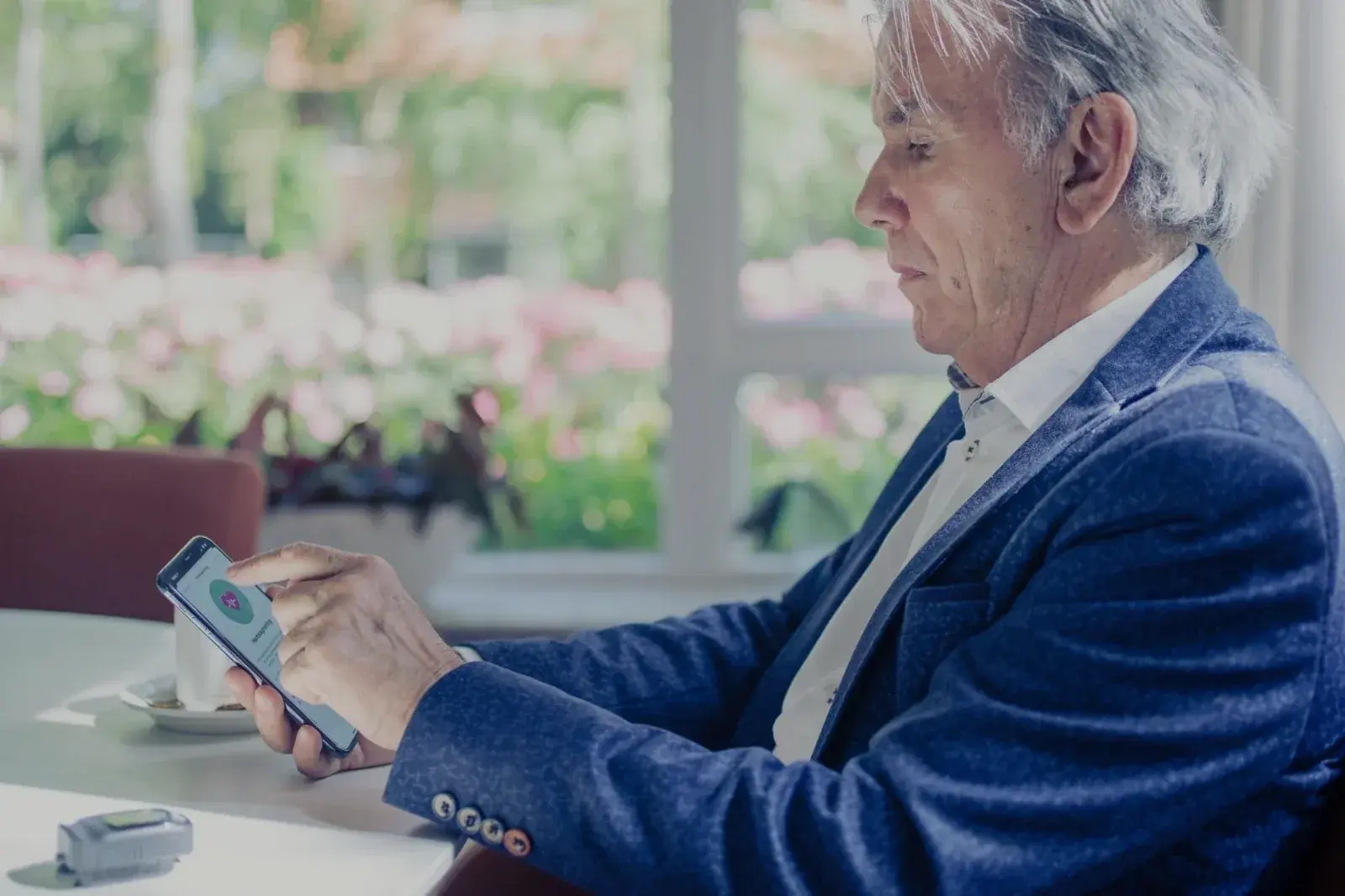
Patients on the virtual ward spent an average of 4.36 fewer days in hospital, while still feeling safe, supported and confident in their care at home. This independent evaluation by Unity Insights explores what sits behind those results, using a full year of delivery at Maidstone and Tunbridge Wells NHS Trust to show how virtual wards can work at scale across the NHS.
- 4.36 fewer days in hospital
- 94% of patients would recommend the service
.png)
Webinar replay
Scaling virtual wards: Evidence from the MTW SBRI-Healthcare Evaluation
Watch the webinar to explore how the MTW SBRI Healthcare evaluation helped build a practical, patient-centred approach to virtual wards, featuring perspectives from a PPIE representative alongside clinical and evaluation insights.
The case study
Acute care at home: The case study
The evaluation analysed 1,090 patient episodes across four Acute Virtual Ward pathways, looking at clinical outcomes, patient experience, health inequalities and economic impact.
The findings show fewer hospital bed days, lower returns and readmissions, and significant economic benefits, while 94% of patients said receiving care at home had a positive impact on their wellbeing.
Download the case study to explore the findings and what they mean for delivering acute care safely at home, at scale.
Voices from the ward
Designing virtual wards with patients, not just for them
We spoke to two members of the PPIE group about their involvement in the project, including why they chose to take part, what they helped shape, and what it’s like to contribute to the design of a virtual ward. Their perspectives offer a clearer view of how patient involvement works, and the real difference it can make to care.
-
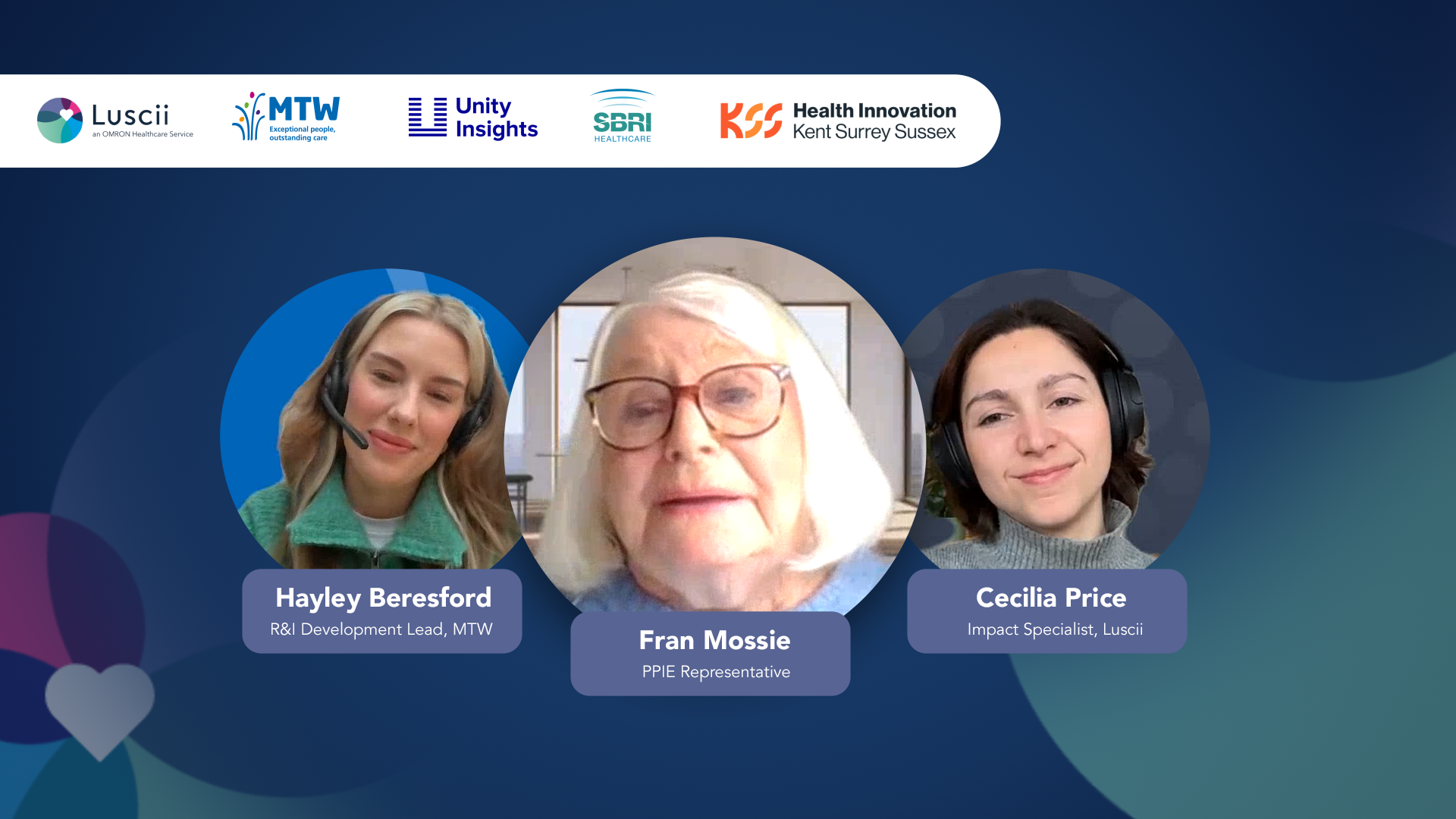 Fran Mossie
A PPIE pepresentative
Why I got involved in shaping a virtual ward
Hear why Fran wanted to be part of the project and her role in co-designing the virtual ward. -
 Glenn Hook
A PPIE representative
What it means to be part of the project
See how Glenn helped shaped the patient-led virtual ward and what that meant for designing services.
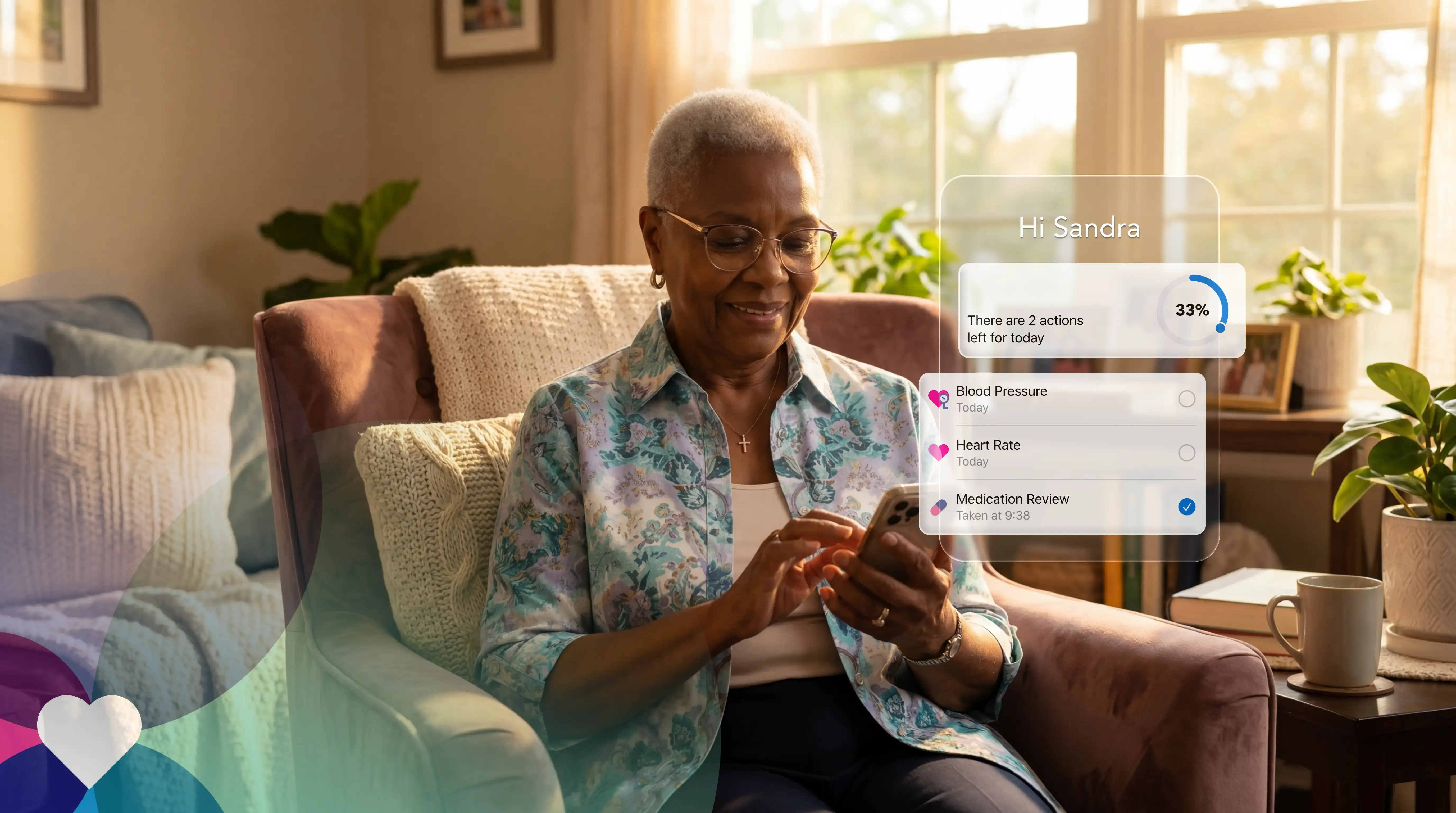
Launching the project
Learn how and why the project started. Together with Maidstone & Tunbridge Wells NHS Trust, Luscii, and partners, the aim was to design a new approach to virtual wards, with the potential to shape a blueprint for the NHS.
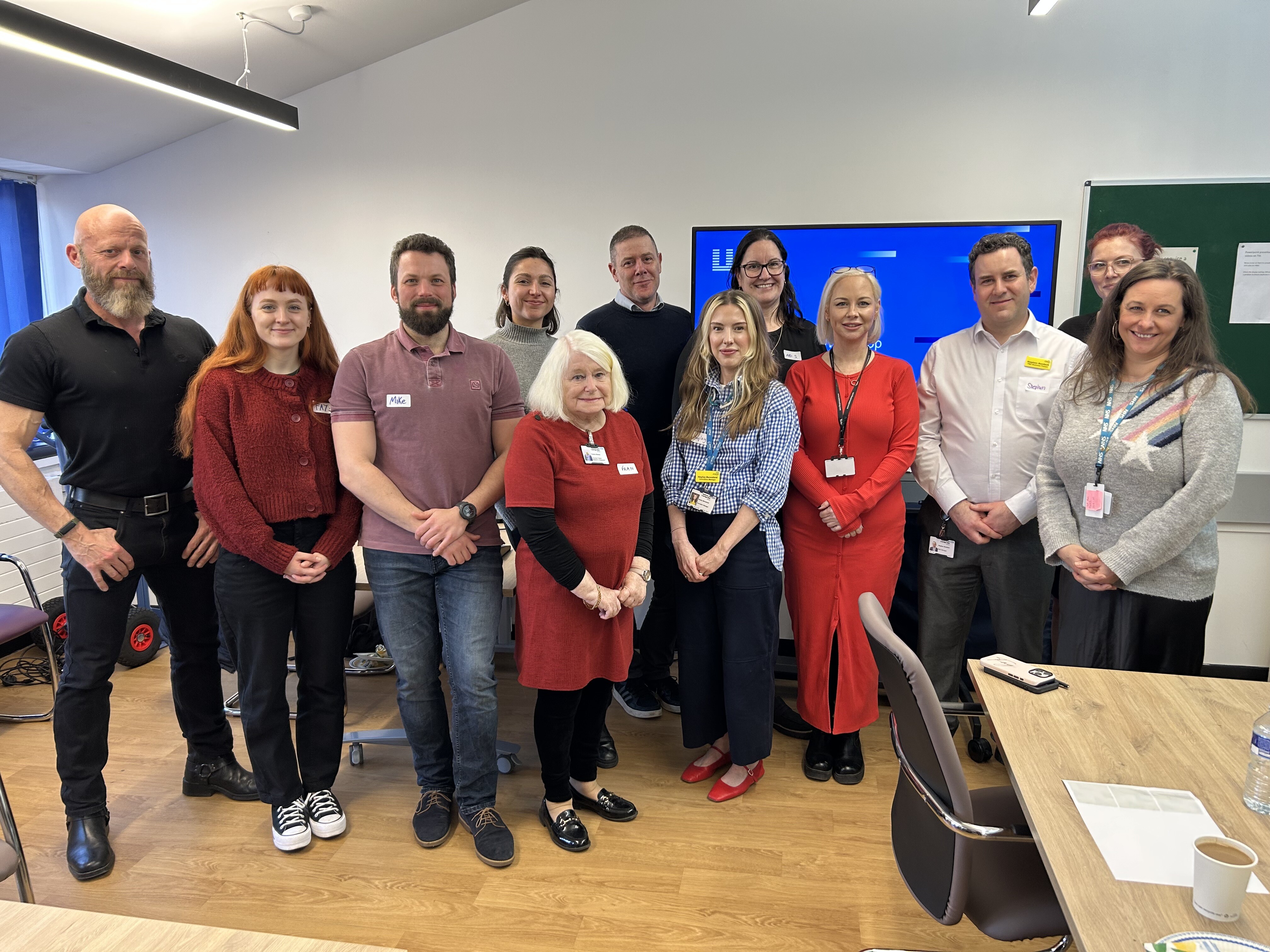
Shaping a blueprint for virtual wards: Early insights
See how the project evolved and early insights from the co-design of the virtual ward with patients and clinicians. Mid-way findings showed how involving patients and the public from the outset improved confidence, experience and trust in acute virtual wards.